
OpenAI's Guide to Not Letting the Robots Win

OpenAI released a governance framework, and it is exactly as dramatic as you'd expect from a company whose product could theoretically synthesize bioweapons or rig elections. Fun stuff!
The framework sorts AI doom scenarios into tiers. Tier 3 is the spicy one: an AI smarter than every human alive, running unsupervised, that you literally cannot tell is ignoring you. OpenAI's solution? Monitoring. And vibes, apparently.
There's also a category for "harmful manipulation" — AI used for influence operations — which they describe as "exploratory." Which is a very calm word for "we don't fully know how to stop it yet."
On the security side, they've bolted on every ISO certification known to humanity, encrypted everything twice, and sandboxed the models so hard they need permission to breathe. Enterprises are advised to copy this setup, then build bespoke encrypted middleware to connect it to their 1987 mainframe. Easy!
If something goes wrong, the AI Safety Incident Response Plan kicks in — automated alerts, root cause investigation, regulatory reporting. Basically the same as a normal incident response plan, except the thing that broke might be smarter than the people fixing it.
The whole framework gets reviewed annually, or sooner if the AI "materially changes." Which, given the pace of this industry, means roughly every six weeks.
The takeaway: AI governance is a full-time job now. Welcome to the future — it has compliance paperwork.
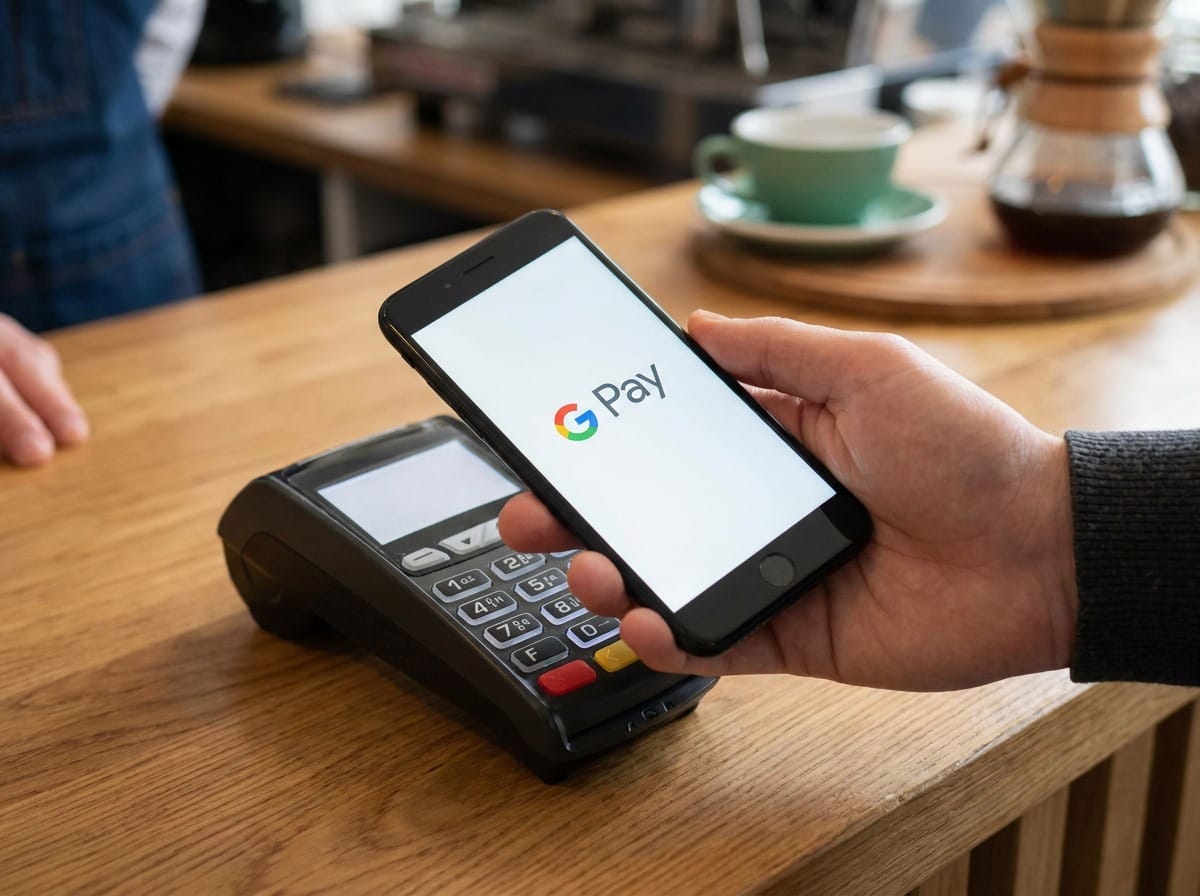
Google Pay Is Rebuilding Itself for AI Shoppers (Who Are Better at This Than You)
Your AI agent wants to book a flight, order supplies, and expense lunch — but Google Pay was built for humans who enjoy clicking through five checkout screens. So Google blew it up.
The new setup has three highlights:
- Universal Commerce Protocol — a common language so AI agents can talk to any merchant without a custom integration. Basically, Rosetta Stone for robots buying things.
- MCP Server — a middleman that handles merchant complexity so developers don't have to. Also conveniently hands Google a front-row seat to every AI-driven transaction on earth.
- Cross-device biometrics — your agent racks up a $4,000 order; your phone asks if you meant to do that. A kill-switch with good UX.
There's also expanded WebView support, because apparently AI agents need to shop inside Instagram now. Sure.
The catch no one's saying loudly: routing everything through Google's proprietary protocol means Google sees everything. Every trend, every purchase, every AI agent's shopping habits. The "universal standard" is very convenient — for Google.
The thing marketers haven't processed yet: if your product data isn't machine-readable, AI agents will skip your store entirely. SEO is now also for robots with credit cards.
Welcome to machine-to-machine commerce. Hope your API docs are good.
*Disclaimer: The content in this newsletter is for informational purposes only. We do not provide medical, legal, investment, or professional advice. While we do our best to ensure accuracy, some details may evolve over time or be based on third-party sources. Always do your own research and consult professionals before making decisions based on what you read here.