
Airlines vs. Extreme Weather: Now Featuring AI Co‑Pilots
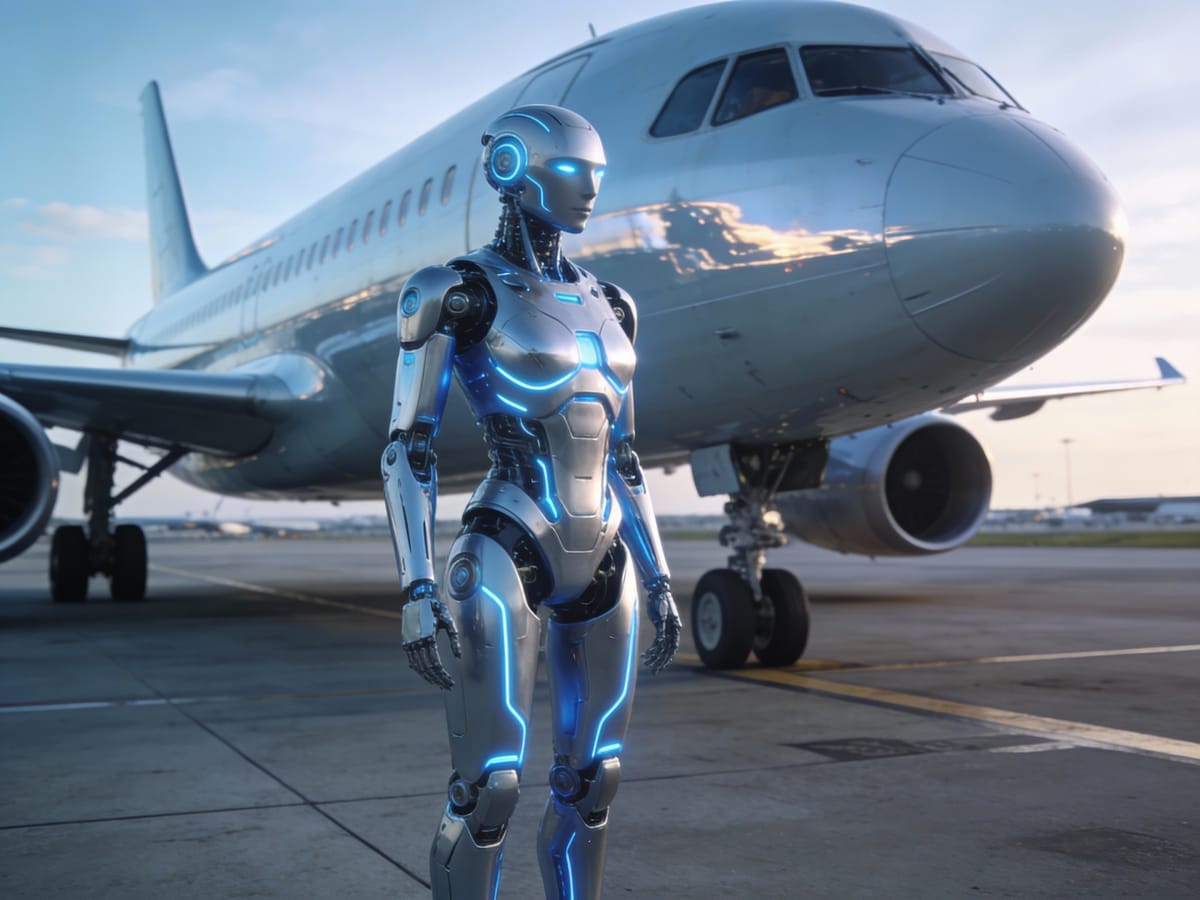

America’s skies are a mess — blizzards, storms, and delays have turned airports into high‑stakes waiting rooms with worse snacks. Airlines are scrambling not just to fly, but to reply — because when weather hits, so does a flood of angry passengers asking, “Where’s my plane?”
Enter artificial intelligence: the new MVP of travel chaos.
Air France‑KLM built an AI “factory” with Google Cloud and Accenture — think less sci‑fi lab, more chatbot boot camp — to crank out generative AI tools that help crews fix planes, plan routes, and calm frazzled travelers. The airline says its new digital workforce moves 35% faster, which probably makes it the only thing in aviation currently running on time.
Meanwhile, United Airlines is using AI as its in‑house storyteller. When storms ground flights, the system helps reps craft passenger updates that sound human — polite, empathetic, but not panic‑inducing (“Your safety is our top priority,” not “We’re all doomed”). It even references past flight data to make messages smarter than ever — talk about writing turbulence!
Consultants say airlines’ AI game is average (so, like their Wi‑Fi), but by 2030, the smart ones could see profits soar 5–6%. With Microsoft claiming AI can cut delay causes by a third and boost per‑passenger revenue up to 15%, the math checks out: fewer headaches, fatter margins.
Bottom line: AI won’t stop bad weather, but it might finally make sure the next “We’re sorry for the delay” message sounds a bit less robotic — and a lot more believable.
*Disclaimer: The content in this newsletter is for informational purposes only. We do not provide medical, legal, investment, or professional advice. While we do our best to ensure accuracy, some details may evolve over time or be based on third-party sources. Always do your own research and consult professionals before making decisions based on what you read here.